The hardest day in a loyalty platform's life is the day marketing gets it right. A double-points weekend lands, a partner campaign goes viral, and a system that comfortably handled steady traffic is suddenly processing a month of transactions in an afternoon. We have been on call for those afternoons across some of the world's biggest brands — this is what we design for now.
The points ledger is a bank account
Treat points like money, because your members do. That means an append-only ledger, idempotency keys on every earn and burn, and reconciliation jobs that prove the balances add up. Every shortcut on ledger integrity becomes a customer-service queue later.
Separate the write path from the maths
Accepting a transaction and computing its consequences are different jobs with different budgets:
- The write path does one thing — durably record the event and acknowledge fast.
- Accrual rules, tier evaluation, and campaign multipliers run asynchronously, where a spike becomes a queue depth instead of an outage.
- Member-facing balances read from a projection that is allowed to lag by seconds, never minutes.
Campaigns are code, and they need environments
Most loyalty incidents are not infrastructure failures — they are a mis-configured campaign multiplying points by the wrong factor. Campaign rules deserve the same lifecycle as code: version control, a staging environment with realistic data, and a kill switch that stops one campaign without stopping the programme.
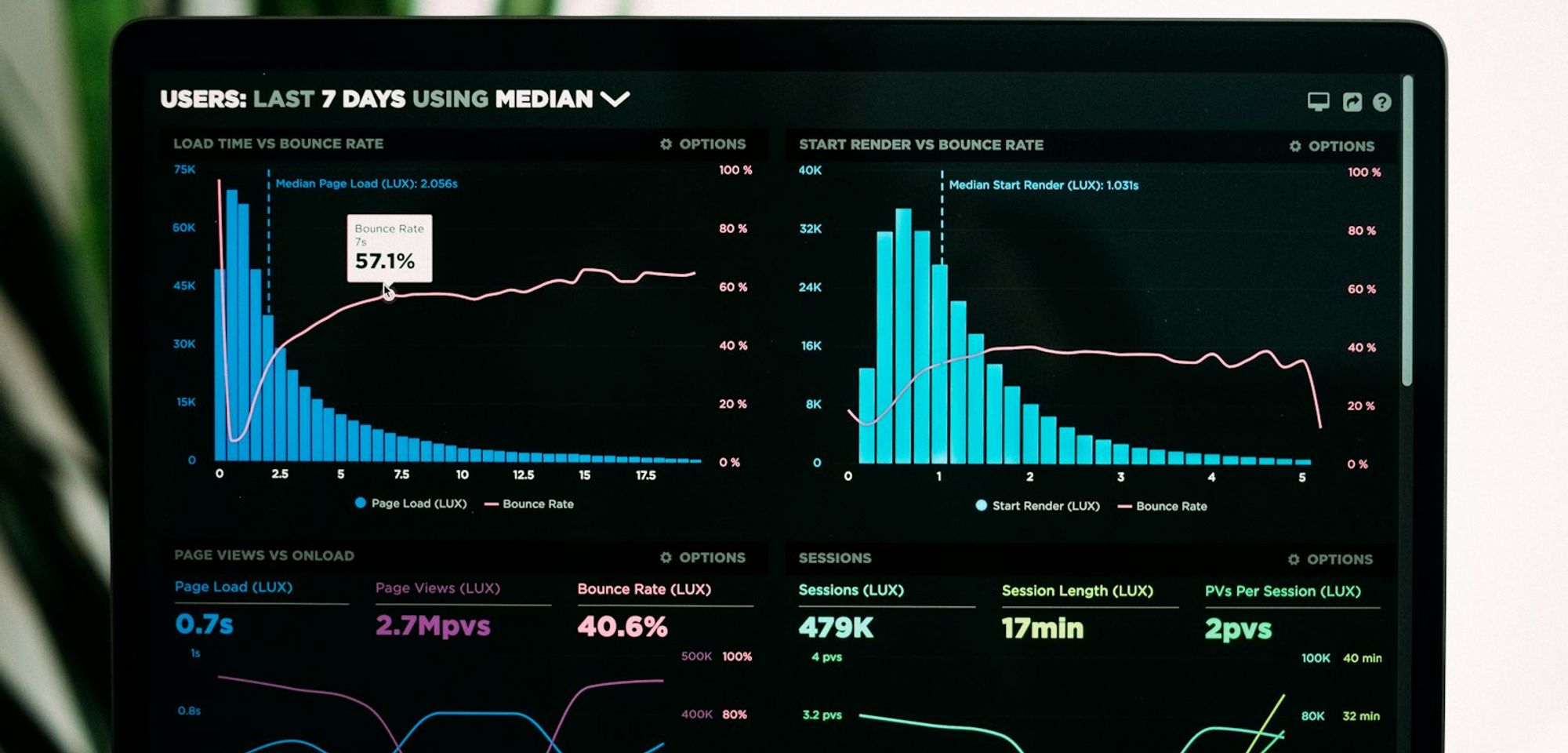
Scale problems announce themselves in the queue metrics long before they reach the status page — if you are watching.
Design the degradation, not just the system
When the reward catalogue's inventory service goes down, what happens? The wrong answer is a spinner. The right answer is decided in advance: show cached inventory, accept redemptions into a pending state, and reconcile when the dependency recovers. Members forgive a delayed confirmation email; they do not forgive a checkout that ate their points.
We go deeper on this architecture in our client engagements — see how we build loyalty and CRM platforms.